
Voluntary Repatriation or Forced Return? Key Takeaways from the JRS Paper
13 February 2026
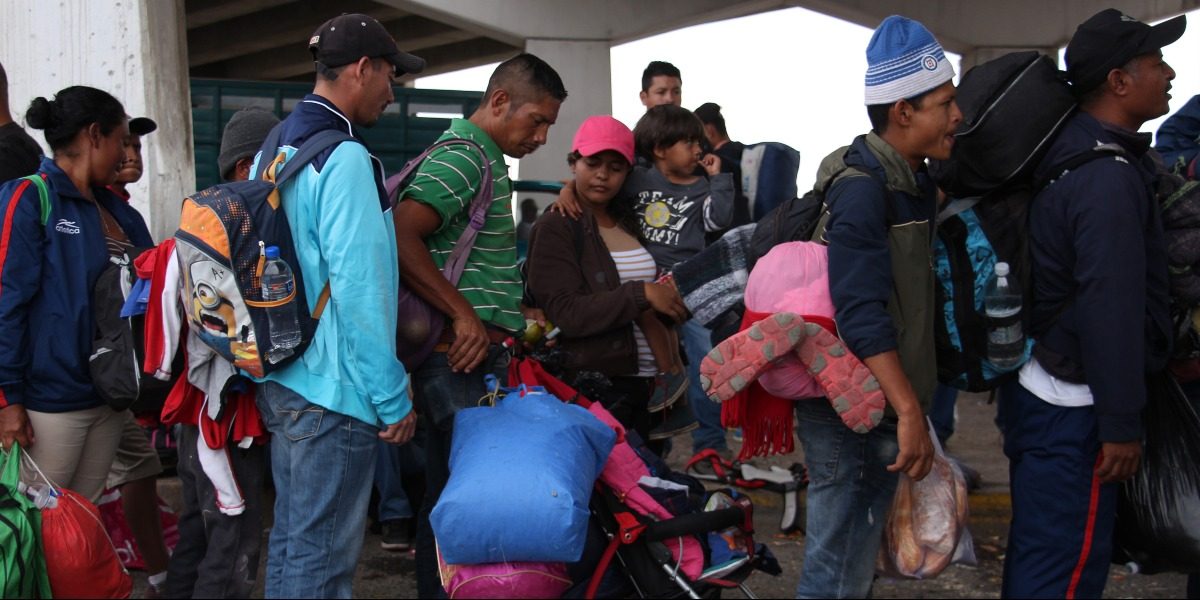
The JRS International Office has shared a thematic paper, “Voluntary Repatriation or Forced Return?”, addressing the critical issue of repatriation. In recent years, a large number of refugees worldwide have been repatriated to their homelands without proper legal protection. Countries such as Cambodia, Bosnia Guatemala, the Democratic Republic of Congo, and Kosovo have all faced challenges in ensuring safe returns for refugees.
Given that repatriation remains a critical issue for millions of displaced people, the publication serves as a guide to best practices in repatriation to safeguard the safety of refugees who have to return to their countries of origin. It provides helpful information for current or future repatriations from countries like Burundi, Syria, Venezuela, and Afghanistan, all based on specific contexts and legal frameworks.
Understanding repatriation
The United Nations High Commissioner for Refugees (UNHCR) defines repatriation as “the return in safety and dignity to the refugees’ country of origin, based on their free and informed decision” (UNHCR, 1996). Repatriation is often the most desired solution for refugees, as it allows them to return home after years of uncertainty. However, the process must be voluntary and conducted under conditions that ensure safety and dignity.
The publication stresses the importance of refugees having clear and honest information about the challenges they will face upon returning to their home countries. Voluntary repatriation is often more complicated than simply returning home, as factors such as fear of persecution and discrimination, lack of infrastructure, and family separation can significantly affect the decision to return.
Key Components for a Successful Repatriation
The paper underscores that voluntary repatriation can be successful under certain conditions. These are legal guarantees, amnesties, access to land, and demobilisation of troops. In addition, strong international monitoring systems and ongoing support for returnees, such as access to education and psychosocial services, are vital for their reintegration.
JRS Cases: Lessons Learned
The publication includes case studies from various regions, such as Cambodia, Bosnia and Herzegovina, Mexico, Honduras, Thailand, Myanmar, Rwanda, and Kosovo, which highlight the challenges refugees face during repatriation and the ongoing need for continued advocacy to safeguard their rights. These lessons are vital to ensuring safe repatriations in the future and avoiding past mistakes.
Additionally, these cases show that repatriation is far more complex than simply physical return. In Cambodia, for example, refugees who returned after years in diaspora faced problems due to the presence of landmines and a lack of infrastructure.
In Bosnia and Herzegovina, under the Dayton Peace Agreement, many refugees returned, but the process faced challenges such as ethnic tensions, failure of justice for war crimes, and limited resources. While JRS supported reconstruction efforts, obstacles such as land occupation, unresolved war crimes, and a weak economy undermined reintegration.
Zahra Beg, an ESC Volunteer, contributed significantly to reviewing these examples and collaborating with advocacy colleagues to ensure that the right conditions are in place for future repatriations, ensuring a fair, free, and dignified return.
Looking ahead, Syria, Venezuela, Burundi, and Afghanistan represent key areas for future repatriation efforts. Each of these countries presents their own challenges, and JRS offices around the world are actively working to address these, ensuring a successful repatriation process, providing legal and psychological support, facilitating access to land and housing, and ensuring that returnees are not forced back into dangerous conditions.
The lessons learned from previous cases have prepared JRS to better advocate for and implement these principles in future repatriation efforts, facilitating voluntary, safe, and dignified repatriation for forcibly displaced immigrants.