
Strengthening Housing Stability for Ukrainian Refugees: Key Insights from the Romania Workshop
06 March 2026
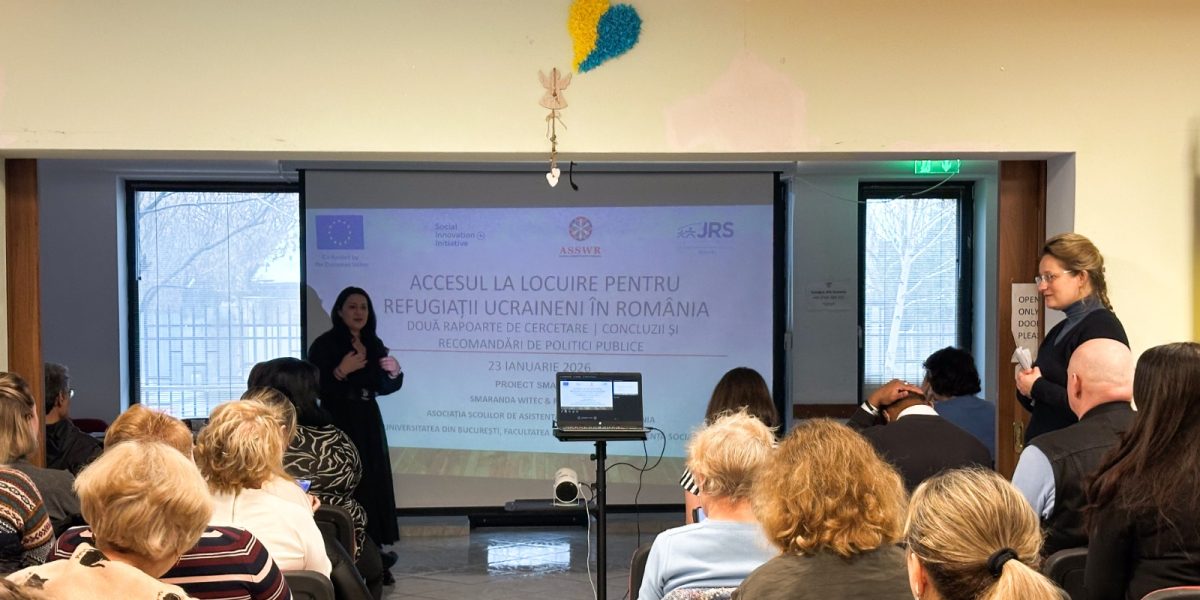
As part of the SMART UA project, partner countries organised national workshops to reflect on key barriers and solutions related to housing and employment for Ukrainian refugees. These workshops aimed to connect research findings with field experience and to support evidence-based, coordinated responses at national level.
In this context, a national workshop held in Romania brought together practitioners, researchers, civil society organisations and public institutions to reflect on how access to housing for Ukrainian refugees can be strengthened through coordinated and sustainable approaches.
The workshop connected research findings with on-the-ground experience, offering participants a shared picture of how housing support currently functions and where systemic gaps remain. Discussions highlighted the strong dependence on the private rental market, financial pressures affecting housing stability, and the persistence of administrative and linguistic barriers.

Participants confirmed that challenges such as limited availability of affordable housing, high rental costs, informal arrangements, and discrimination by some landlords continue to undermine housing security. Fragmented responses and limited coordination between actors were also identified as factors complicating access to sustainable housing solutions.
At the same time, the exchange brought forward practical and promising practices. Participants shared experiences related to landlord mediation, integrated social and/ housing support, targeted financial assistance and individualised case management for more vulnerable households. These approaches illustrated how tailored and coordinated interventions can improve housing retention.
Interactive group sessions enabled participants to jointly reflect on policy-relevant recommendations, underlining the importance of predictable, long-term housing support mechanisms grounded in multi-stakeholder cooperation.
The participation of JRS Europe reinforced the transnational dimension of SMART UA, allowing lessons from the Romanian context to inform learning and implementation across Hungary and Slovakia.