
Strengthening Employment Pathways for Ukrainian Refugees: Insights from the Slovak Process
23 March 2026
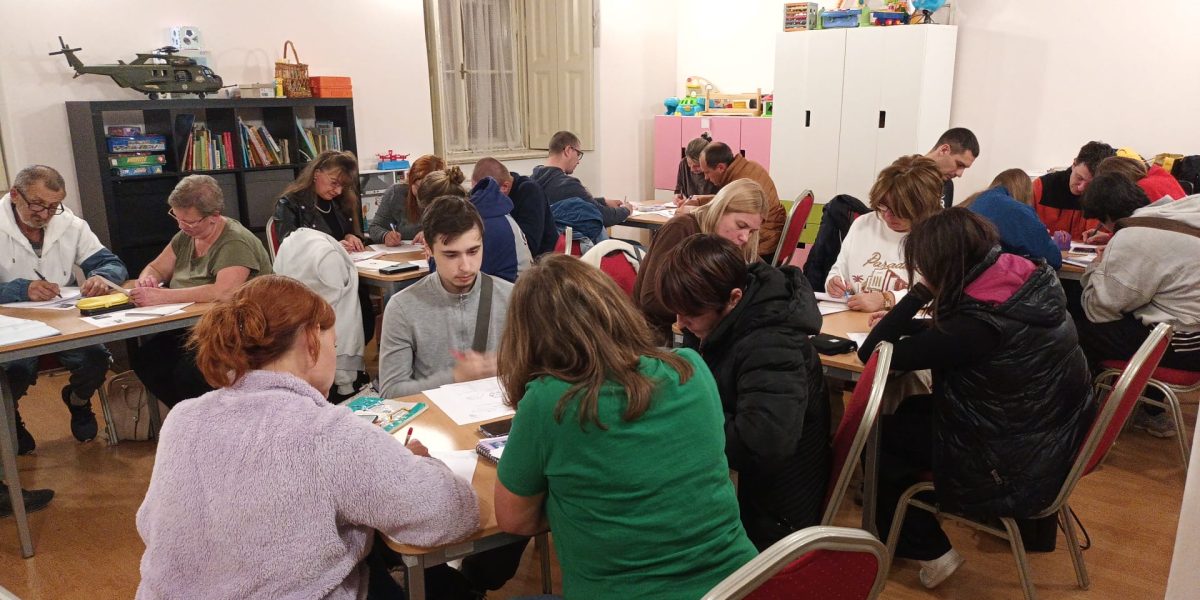
As part of the SMART UA project, partner countries organised national workshops to reflect on key barriers and solutions related to housing and employment for Ukrainian refugees. These workshops aimed to connect research findings with field experience and to inform coordinated, evidence-based responses at national level.
In Slovakia, a structured process combining research, expert dialogue and implementation-focused discussions brought together practitioners, researchers, public institutions and civil society organisations to reflect on how employment pathways for Ukrainian displaced persons can be strengthened in a sustainable way.
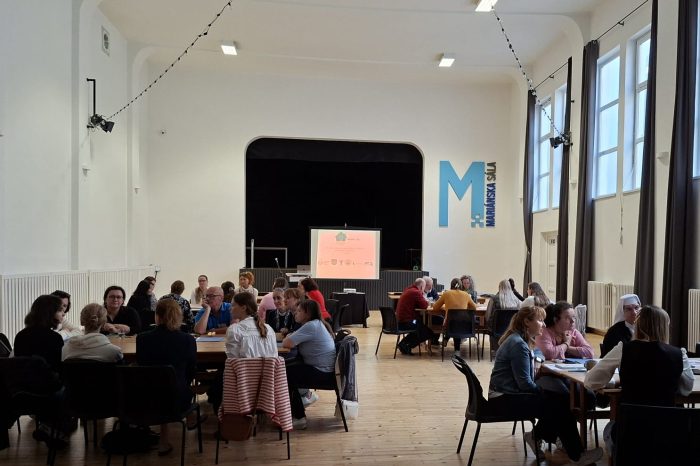
An initial expert workshop provided the analytical foundation for this process. Research findings presented by the Department of Sociology at Trnava University highlighted systemic barriers affecting labour market integration, including language gaps, challenges in the recognition of qualifications, and uneven access to tailored counselling and support across regions. Through group discussions, participants exchanged field experiences and jointly developed practical recommendations, which were later structured into an Action Plan to support employment integration.
Building on this work, a follow-up workshop held in January focused explicitly on translating research and recommendations into concrete solutions. Participants worked in thematic groups to identify operational steps that could respond to the barriers identified earlier. Discussions on language adaptation underlined the gap between classroom learning and workplace requirements, leading to proposals to link language training more closely with practice through mentoring and sector-specific courses.
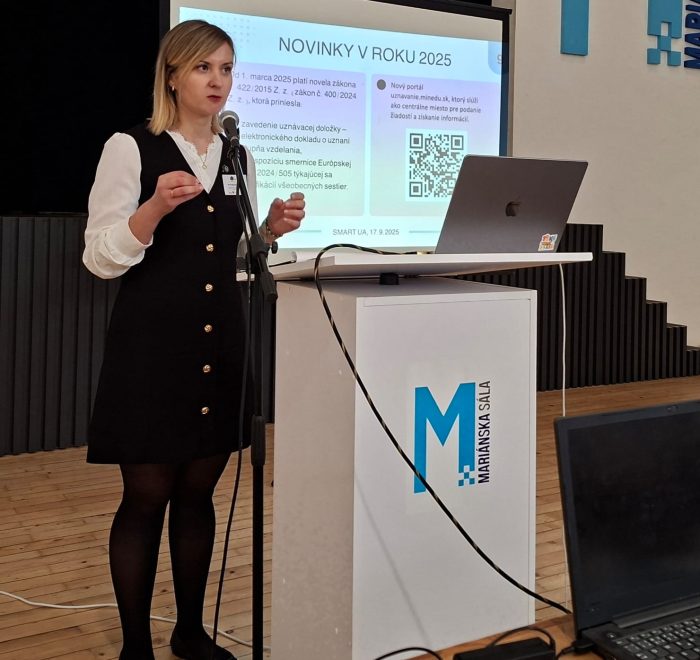
Parallel discussions on retraining and the recognition of qualifications highlighted obstacles such as complex and costly recognition procedures, insufficient childcare capacity, and the need for clearer guidance for both refugees and employers. As a result, participants agreed on a set of targeted measures, including the delivery of a professional online seminar on qualification recognition, strengthened employer awareness, and improved coordination between public and private actors.
Across both workshops, participants emphasised that sustainable labour market integration requires a shift from emergency responses to structured, long-term cooperation, supported by clear roles, predictable support mechanisms and strong partnerships at regional and national level. The process illustrated how evidence, dialogue and implementation can be combined to move from analysis to action.
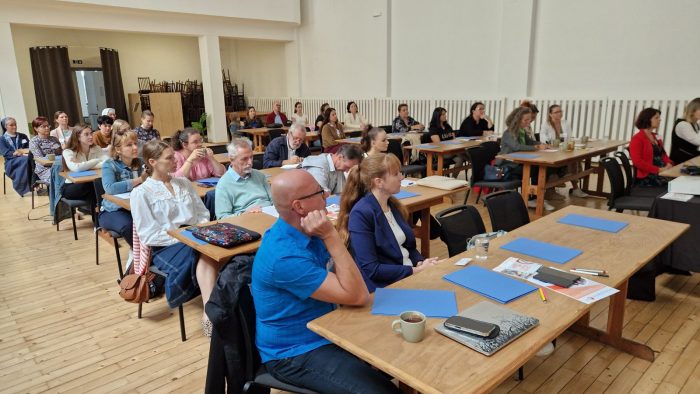
The participation of JRS Europe reinforced the transnational dimension of SMART UA, ensuring that lessons emerging from the Slovak context can inform peer learning and implementation in other partner countries.
Read more about the workshop.
Co-funded by the European Union. Views and opinions expressed are, however, those of the author(s) only and do not necessarily reflect those of the European Union or the European Social Fund Agency. Neither the European Union nor the Granting Authority can be held responsible for them.