
Smart UA Employment: Capacity building workshop on employment situation for Ukrainian refugees in Hungary
12 April 2026
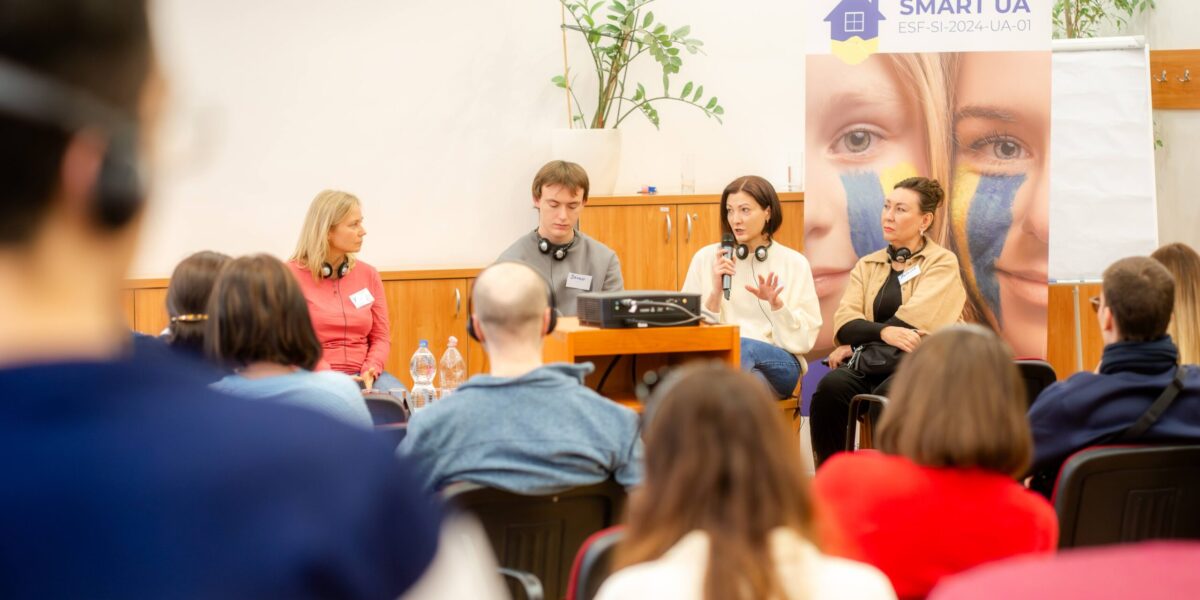
As part of the SMART UA project, partner countries organised national workshops to reflect on key barriers and solutions related to housing and employment for Ukrainian refugees. These workshops brought together researchers, practitioners, civil society organisations and public institutions to connect evidence with practice and inform the next phases of project implementation.
In this context, a capacity building workshop took place in Hungary brought together a wide range of stakeholders to reflect on how the employment situation for Ukrainian refugees in Hungary can be strengthened through coordinated and sustainable approaches.
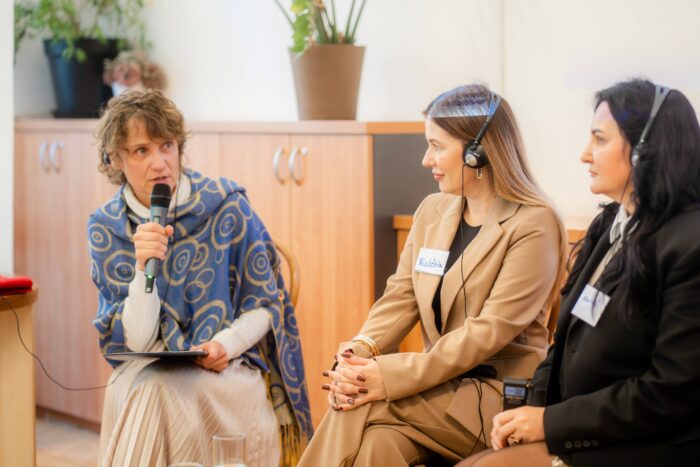
The workshop bridged research findings with on-the-ground experiences, providing participants with a shared understanding of Hungary’s employment landscape and the challenges faced within the labour market. Discussions highlighted both structural barriers and the lived experiences of refugees seeking employment opportunities.
Participants identified several key challenges, including limited language skills, difficulties in the recognition of qualifications, lack of accessible childcare services, and the prevalence of informal labour within the grey and black economy. In addition, project-based support systems and the lack of central coordination were seen as major obstacles to sustainable labour market integration.
At the same time, the exchange enabled participants to reflect on concrete recommendations. These included improving language training tailored to employment needs, accelerating and simplifying degree recognition procedures, and providing guidance through administrative and bureaucratic processes. The need to address informal labour through legal aid and interpreting services was also highlighted, alongside the importance of social work, targeted employment integration programmes, and childcare services adapted to work schedules.

Through the discussions, participants agreed on the need for a well-coordinated and integrated system that goes beyond short-term, project-based approaches. They also emphasised the importance of stronger cooperation between organisations, municipalities, and government bodies.
The participation of JRS Europe reinforced the transnational dimension of SMART UA, ensuring that lessons emerging from the Romanian context can inform peer learning and implementation across partner countries.
Co-funded by the European Union. Views and opinions expressed are, however, those of the author(s) only and do not necessarily reflect those of the European Union or the European Social Fund Agency. Neither the European Union nor the Granting Authority can be held responsible for them.