
Multi-Stakeholder Cooperation
SMART UA created spaces for dialogue, exchange and cooperation between public authorities, civil society organisations, researchers, employers, service providers and Ukrainian refugee communities. Through national workshops and transnational webinars, the project brought research findings into discussion with practical experience, helping stakeholders compare challenges, share good practices and identify more coordinated responses to housing and employment inclusion.
Slovak: https://jrseurope.org/en/multi-stakeholder-cooperation-sk/
Hungarian:https://jrseurope.org/en/multi-stakeholder-cooperation-hu/
Romanian: https://jrseurope.org/en/multi-stakeholder-cooperation-2/
WORKSHOP IN HUNGARY
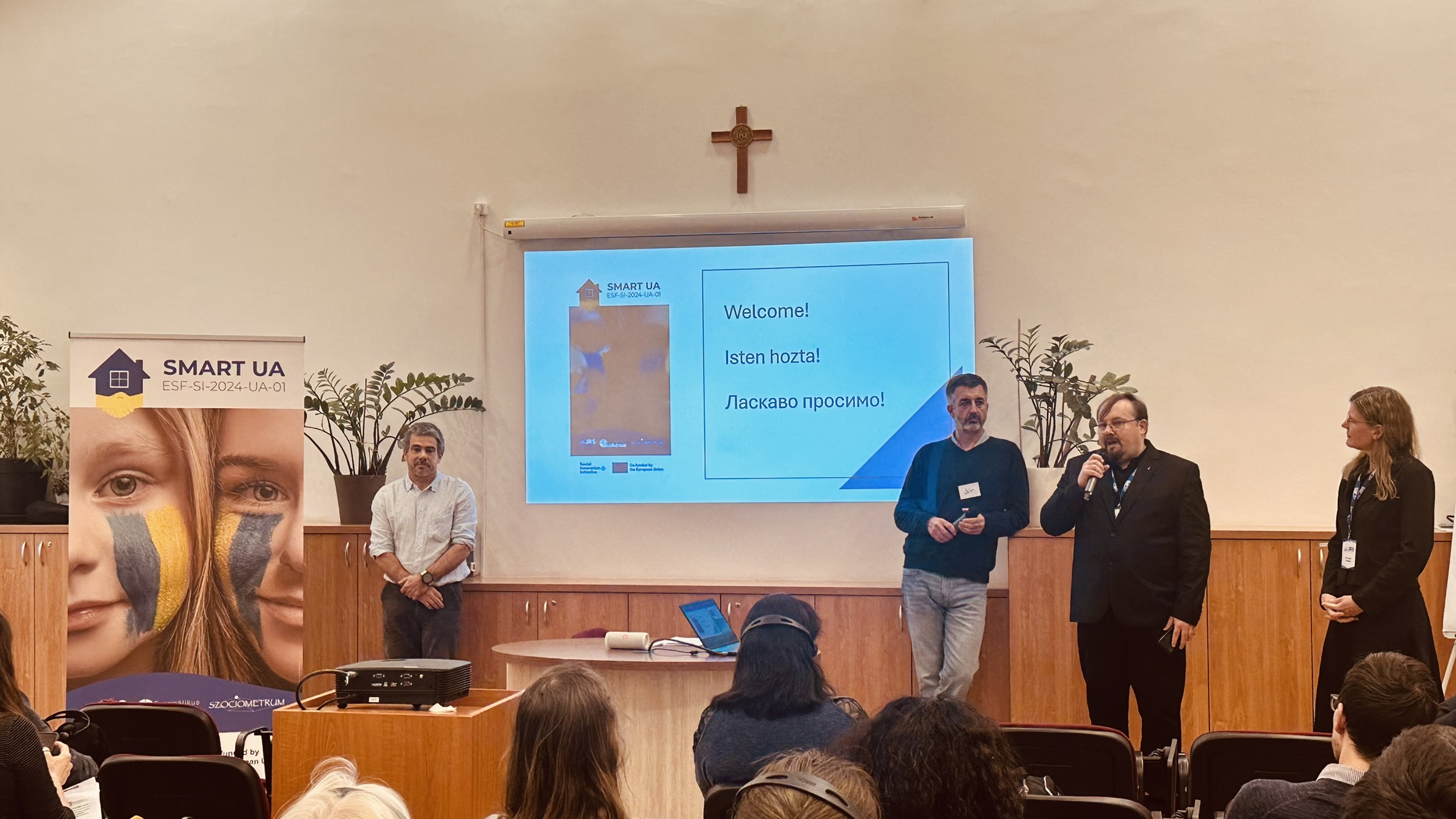
HOUSING WORKSHOP
The SMART UA housing workshop in Budapest brought together 60 participants, including Ukrainian refugees, international and local organisations, municipal and state actors, housing experts, academia and representatives of the real-estate sector. The workshop presented research findings on the housing situation of Ukrainian refugees and combined stakeholder panels, refugee perspectives and group work to identify key barriers and possible solutions.
Discussions highlighted housing affordability, the lack of adequate options and the need for more reliable, long-term support systems. Recommendations also stressed stronger cooperation between NGOs, municipalities and public authorities, as well as more integrated support combining housing assistance, social work, language learning and labour-market integration.
EMPLOYMENT WORKSHOP
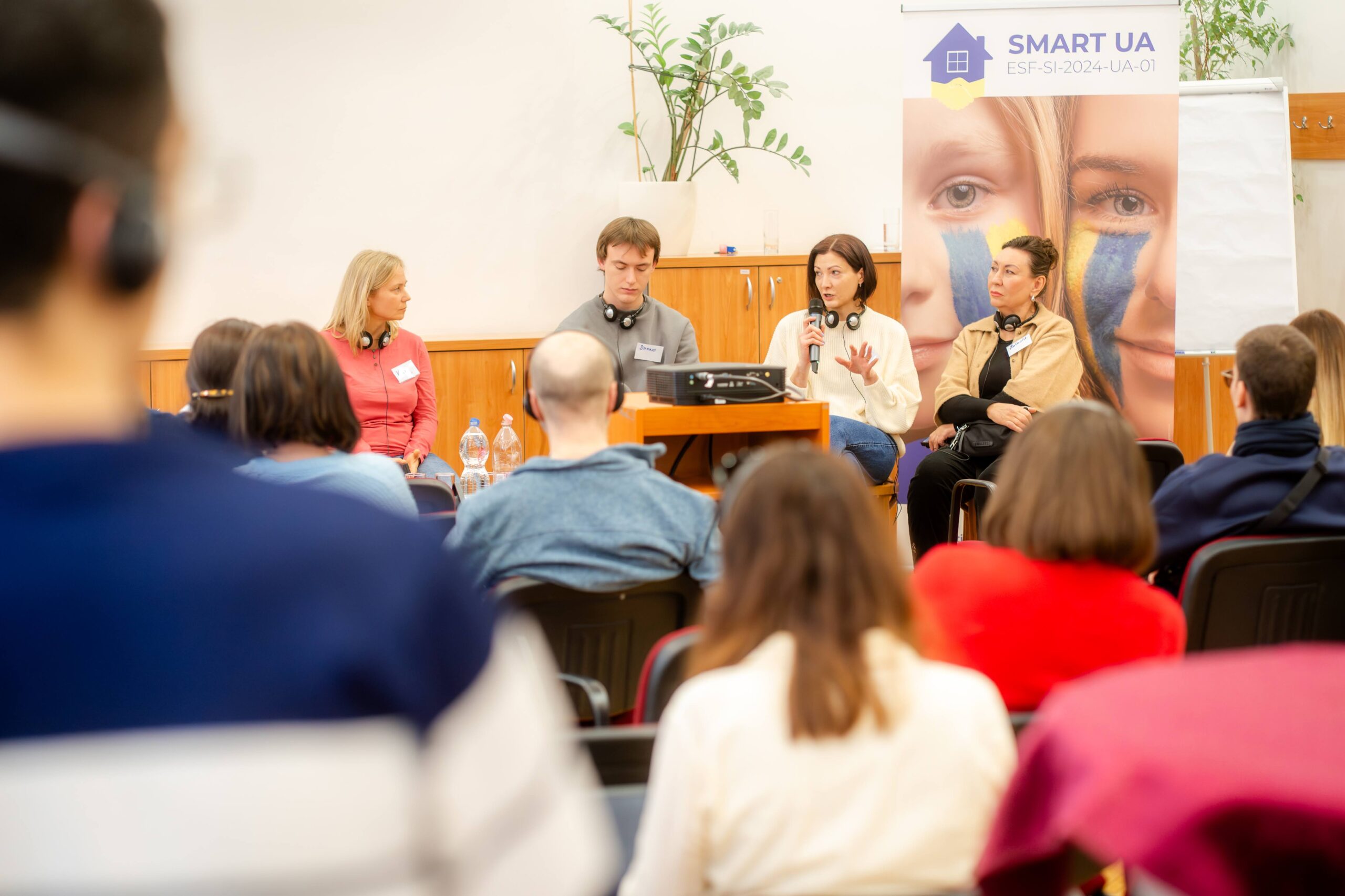
The SMART UA employment workshop in Budapest brought together 62 participants, including Ukrainian refugees, civil society organisations, municipal actors, employers, self-employed people and academic representatives. The workshop presented research findings on the employment situation of Ukrainian refugees and created space for both employers and refugees to share their experiences of the Hungarian labour market.
Through panel discussions and mixed-group case studies, participants explored employment barriers, practical challenges and possible solutions, and developed recommendations aimed at strengthening cooperation and improving access to more sustainable employment opportunities.
WORKSHOP IN ROMANIA
HOUSING WORKSHOP
The SMART UA housing workshop in Romania brought together public institutions, civil society, researchers, private-sector actors and members of the Ukrainian community to discuss the barriers refugees face in accessing stable housing. Drawing on national research, the workshop explored high rental costs, unstable incomes, language barriers, limited information, contractual difficulties and discrimination, while also highlighting the role of civil society in supporting refugees and the need for more coordinated, long-term housing solutions.
EMPLOYMENT WORKSHOP
The SMART UA employment workshop in Romania brought together public institutions, researchers, civil society organisations and members of the Ukrainian community to discuss the realities Ukrainian refugees face in accessing the labour market. Building on national research, the workshop explored barriers and opportunities for sustainable employment and highlighted the importance of skills assessment, targeted training, mentoring and multi-stakeholder cooperation. It also created space for refugees’ experiences and concerns to inform the discussion, reinforcing the need for employment pathways that support stability, dignity and long-term integration.
WORKSHOP IN SLOVAKIA
HOUSING WORKSHOP
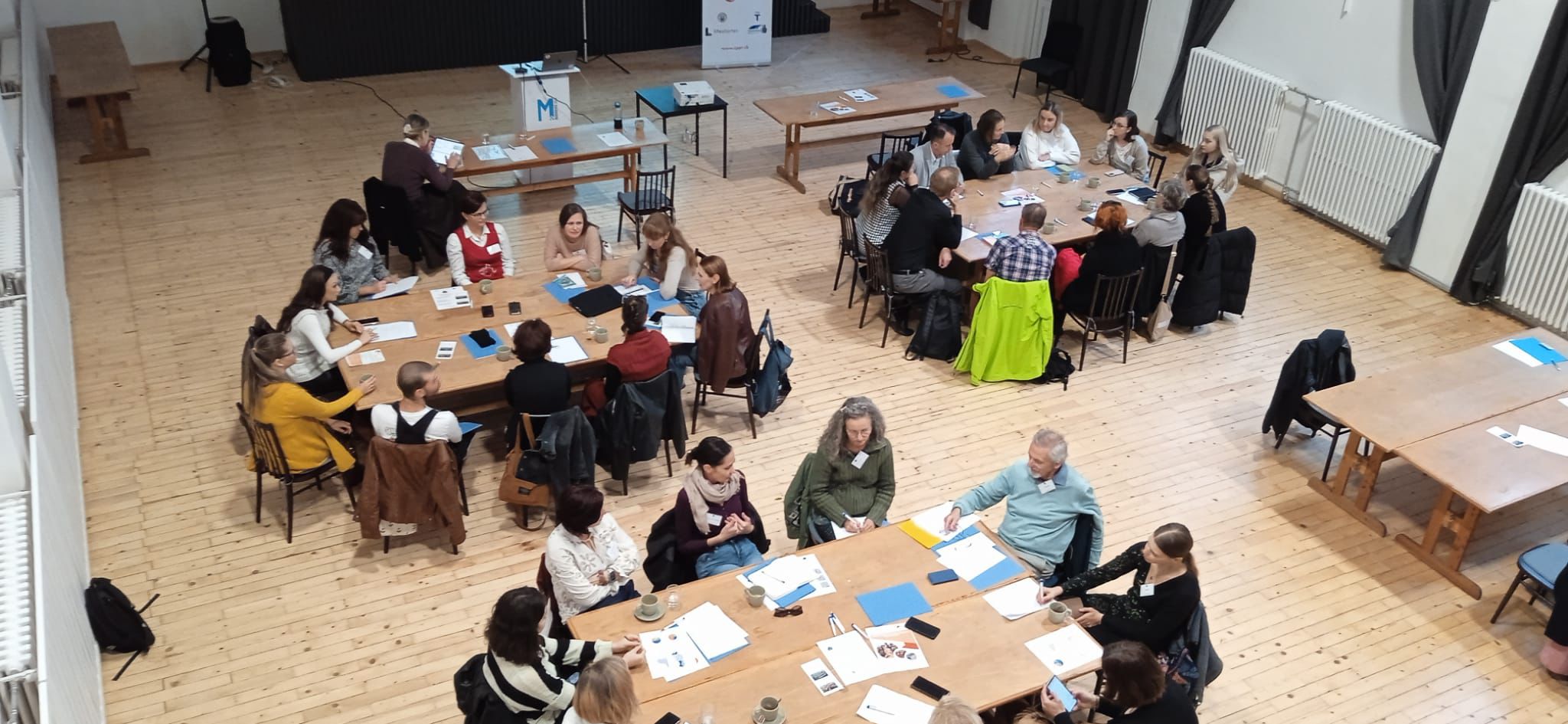
The SMART UA “Housing and Integration” workshop in Trnava brought together public institutions, local authorities, civil society organisations, researchers and members of the Ukrainian community to discuss housing and integration challenges in Slovakia. The workshop combined research findings with practical experience, shared good practices in areas such as language learning, counselling and psychosocial support, and used group discussions to identify barriers, needs and possible solutions for more coordinated and sustainable support.
EMPLOYMENT WORKSHOP
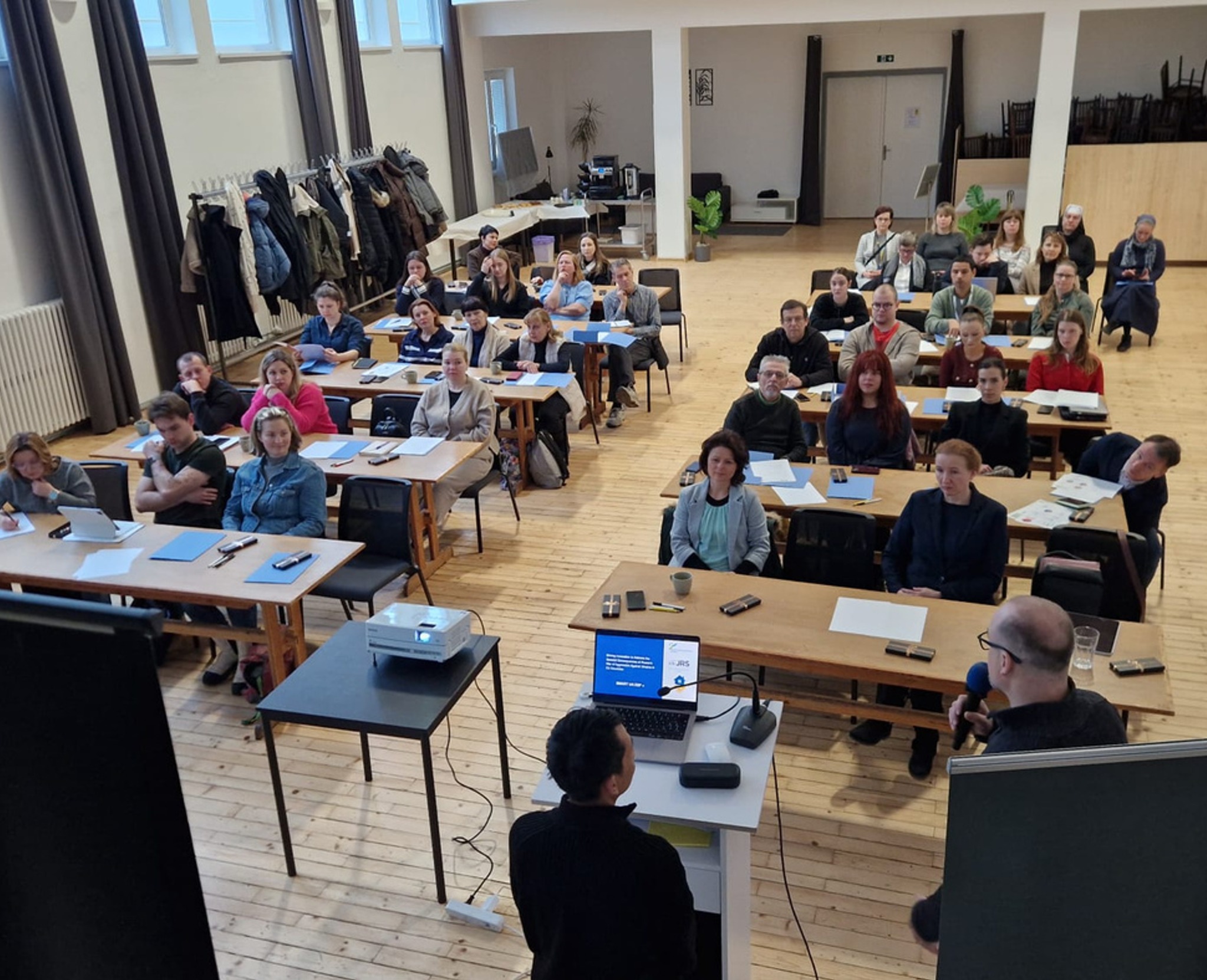
The SMART UA employment workshop in Slovakia brought together 53 experts, institutional stakeholders and Ukrainian displaced persons to turn research findings into practical solutions for labour-market inclusion. Discussions focused on language adaptation, workplace mentoring, retraining, recognition of qualifications, childcare and psychosocial support, with participants developing concrete proposals to strengthen cooperation between public institutions, employers and civil society and improve access to sustainable employment.
Webinars
Transnational webinars connected partners and stakeholders from the three countries to compare national experiences on housing and labour-market inclusion.
They provided a space to present research and implementation experiences, share refugee perspectives and discuss common challenges, practical approaches and lessons that could be adapted across different contexts.
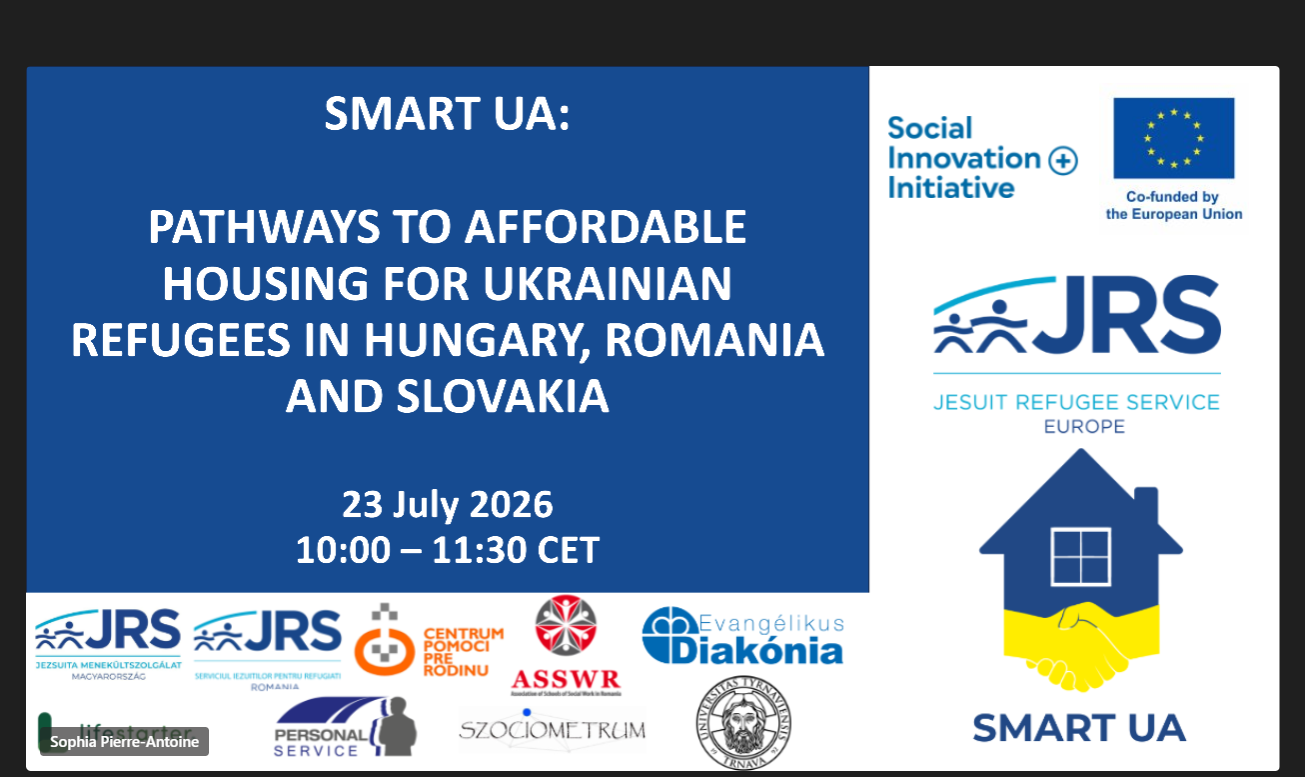
Pathways to Affordable Housing for Ukrainian Refugees in Hungary, Romania and Slovakia
This transnational webinar brought together partners, researchers and Ukrainian refugee representatives to compare housing challenges, research findings and practical responses across the three countries. Discussions highlighted affordability, discrimination, limited housing options and the importance of combining financial assistance with social work, mediation and personalised support.
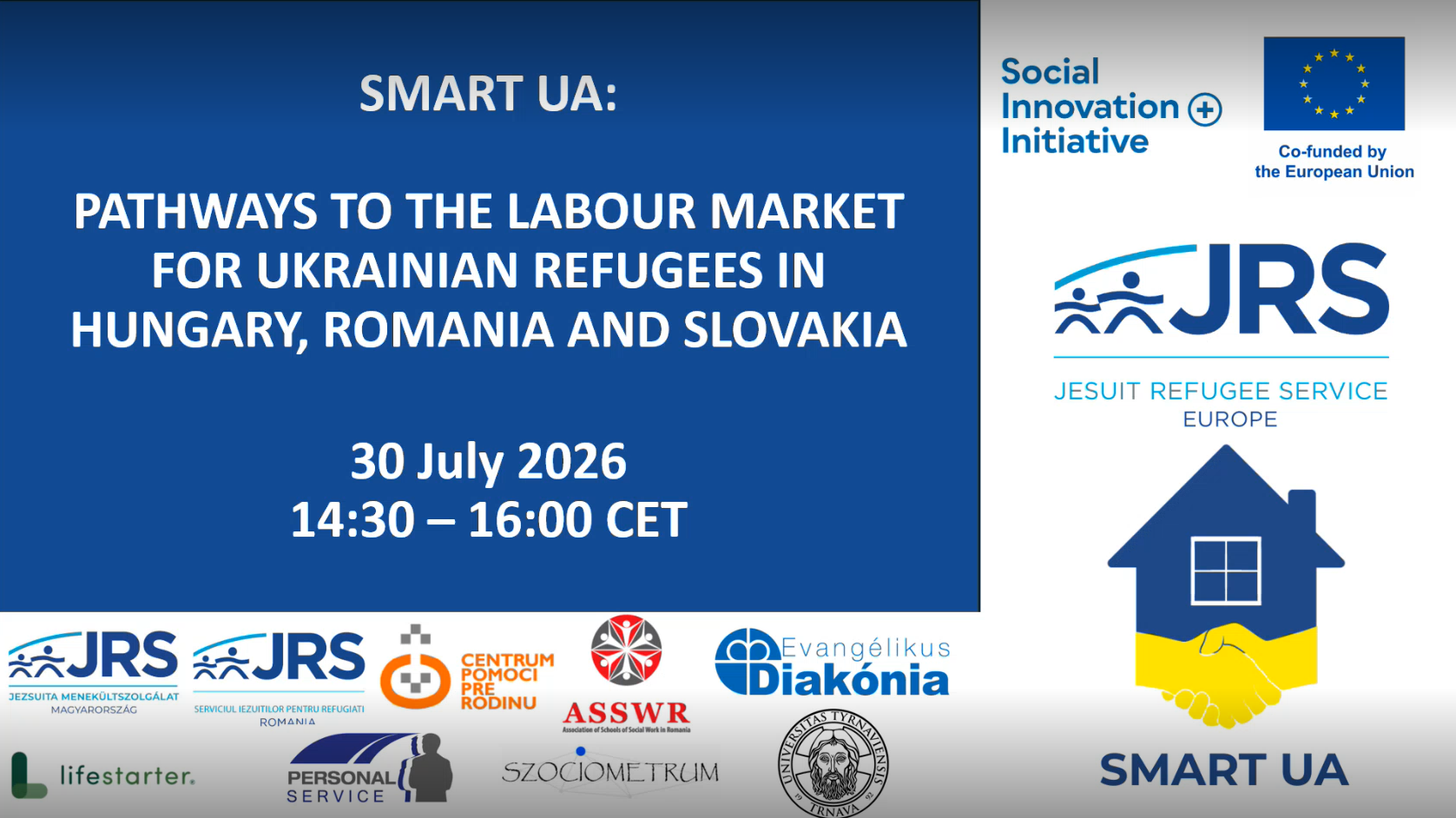
Pathways to the Labour Market for Ukrainian Refugees in Hungary, Romania and Slovakia
The employment webinar brought together 71 participants to discuss research findings, barriers and practical approaches to labour-market inclusion. Key issues included language barriers, qualification recognition, skills mismatch, childcare and transport, while partners also shared training, mentoring and employment-support activities implemented in the three countries.
Co-funded by the European Union. Views and opinions expressed are, however, those of the author(s) only and do not necessarily reflect those of the European Union or the European Social Fund Agency. Neither the European Union nor the Granting Authority can be held responsible for them.