
Stronger Together: lessons from the One Proposal, Jesuit response to the war in Ukraine
21 September 2026
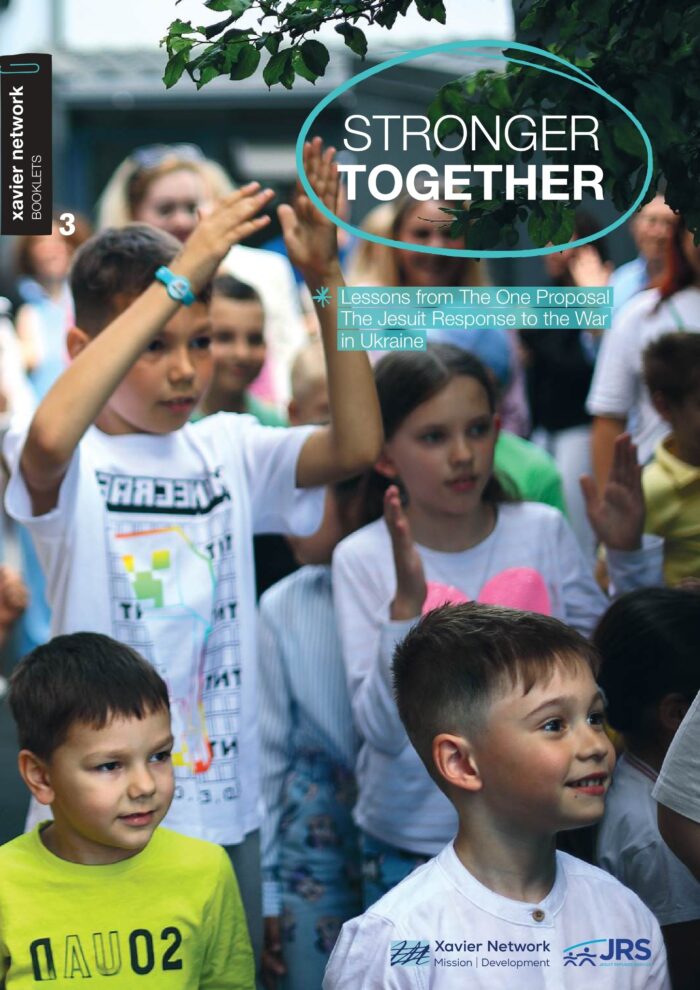
Between October and December 2025, an external evaluation of The One Proposal was conducted to assess the impact of the response on the individuals and families accompanied over the past four years. The evaluation provides important insights into the achievements of the initiative, while also identifying areas to strengthen and sustain as the response continues to evolve in support of displaced Ukrainians and host communities.
Commissioned by Xavier Network, a key partner and major donor of The One Proposal, the evaluation was carried out by external experts in collaboration with project staff from JRS Europe and the Xavier Network. The process included field visits in Romania, Slovakia, Hungary, Poland, and Ukraine, combining quantitative surveys, focus group discussions, and interviews with refugees, staff members, volunteers, and other stakeholders.
The evaluation focused on the impact of the response across several key sectors, including education, housing, livelihoods, health, mental health and psychosocial support (MHPSS), and awareness raising activities. It also explored the institutional coordination behind the initiative, documenting lessons learned from one of the largest coordinated Jesuit humanitarian responses in Europe in recent years.
Since the beginning of the emergency response following the full scale invasion of Ukraine in February 2022, The One Proposal has accompanied displaced people and host communities through a coordinated network of Jesuit organizations across Europe. According to the report, the initiative has supported more than 150,000 people and provided over 822,000 services across multiple countries.
The findings highlight the importance of accompaniment rooted in dignity, protection, and long term integration. Across the countries assessed, beneficiaries consistently emphasized the value of safe spaces, legal and administrative guidance, educational support, and community building activities.
The evaluation also underlines the importance of coordinated action between JRS Europe, Xavier Network, local JRS offices, Jesuit institutions, and partners on the ground. According to the report, the collaboration evolved into “a collaborative methodology that strengthened the entire Jesuit humanitarian ecosystem.”
Among the key lessons identified by the evaluation are the importance of early legal orientation, integrated psychosocial and educational support, language learning as a tool for social participation, and the strategic value of long term accompaniment for displaced families.
The report additionally reflects on the transformative role of hospitality within Jesuit communities and institutions. Through shelters, schools, community centres, and parish networks, the response moved beyond emergency assistance toward creating spaces of belonging, participation, and mutual support.
As the consequences of the war continue to affect millions of displaced Ukrainians and host communities across Europe, the evaluation offers both an important reflection on the impact of the response so far and valuable guidance for future humanitarian action rooted in accompaniment, dignity, and solidarity.