
Smart UA Housing: Capacity building workshop on housing situation for Ukrainian refugees in Hungary
21 September 2026
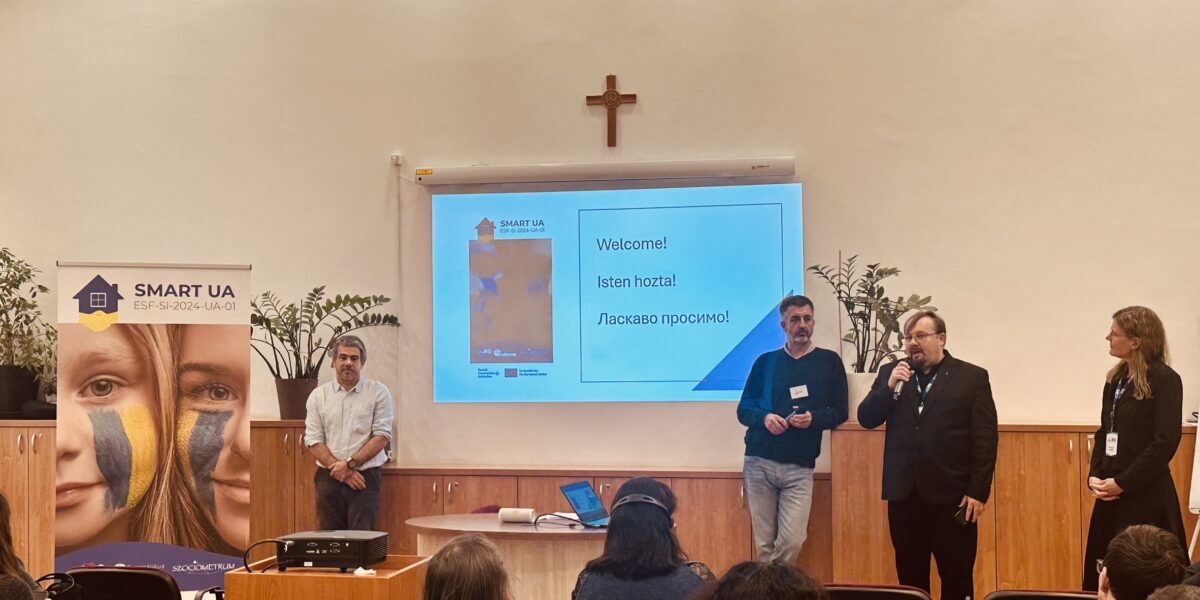
As part of the SMART UA project, partner countries organised national workshops to reflect on key barriers and solutions related to housing and employment for Ukrainian refugees. These workshops brought together researchers, practitioners, civil society organisations and public institutions to connect evidence with practice and inform the next phases of project implementation.
In this context, a capacity building workshop took place in Hungary brought together a wide range of stakeholders to reflect on how the housing situation for Ukrainian refugees in Hungary can be strengthened through coordinated and sustainable approaches.
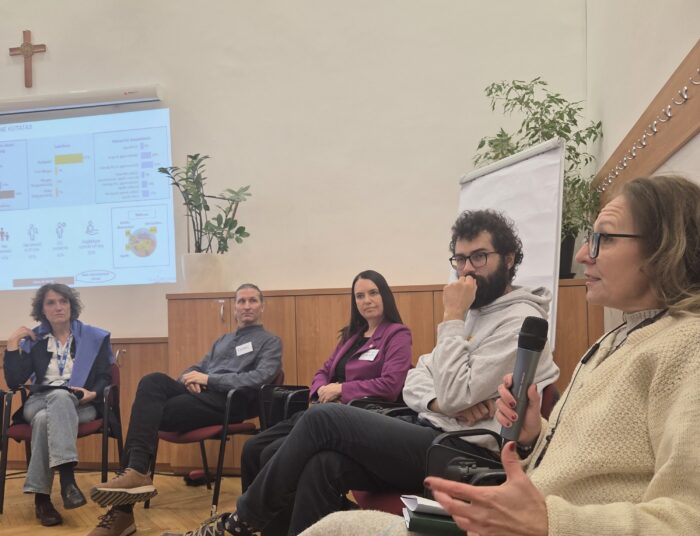
The workshop bridged research findings with on-the-ground experiences, providing participants with a shared understanding of Hungary’s housing landscape and the challenges faced by professionals in the housing market. Discussions highlighted the experiences and challenges refugees encounter seeking stable housing.
Participants confirmed that key challenges include the affordability crisis, the inadequate supply of housing, the project-based, uncertain financial support system, complex integration barriers like language skills, and the challenges of family structures undermines housing security.
Interactive group sessions allowed participants to reflect on recommendations, emphasizing the need for a reliable and normative system that is not project-based. These recommendations stressed the importance of creating a state-supported rental agency, alongside providing complex services through a holistic approach. These services should include social work, intensive language courses, and labour market integration support to enable social inclusion.
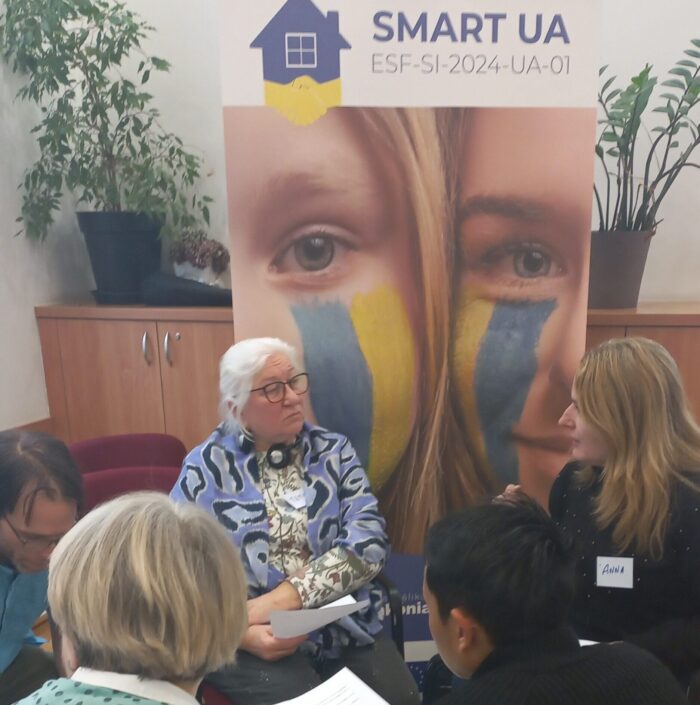
Through the exchange of experiences and case-based discussions, participants jointly reflected on recommendations aimed at strengthening coordinated and sustainable housing strategies for Ukrainian refugees in Hungary. Participants emphasised the need of multistakeholder collaboration between NGOS, regional and national actors.
The participation of JRS Europe reinforced the transnational dimension of SMART UA, ensuring that lessons emerging from the Romanian context can inform peer learning and implementation across partner countries.
Co-funded by the European Union. Views and opinions expressed are, however, those of the author(s) only and do not necessarily reflect those of the European Union or the European Social Fund Agency. Neither the European Union nor the Granting Authority can be held responsible for them.